
티스토리 뷰
임신을 확인한 후, 평소에 즐기던 계단 오르내리기도, 주말 등산도, 심지어 예약해 둔 해외여행까지 전부 물음표가 됐습니다. 인터넷을 찾으면 찾을수록 "해도 된다"와 "하면 안 된다"가 뒤섞여 있어서 오히려 더 혼란스러웠습니다. 임신 초기에 운동, 부부관계, 여행을 어떻게 판단해야 하는지, 그리고 절박유산 진단을 받았을 때 어떻게 해야 하는지를 제가 직접 겪어보며 정리한 이야기를 나눠보겠습니다.
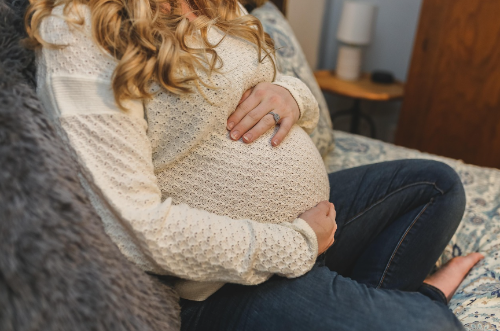
임신 초기 운동, 무조건 쉬면 될까요
임신 확인 직후 첫 진료에서 저는 담당 의사에게 솔직하게 물었습니다. 주말마다 등산을 했는데 계속해도 되냐고요. 돌아온 답은 예상보다 훨씬 현실적이었습니다. 출혈이나 심한 복통이 없다면 하루 20분 안팎의 가벼운 걷기는 가능하지만, 숨이 찰 정도의 유산소 운동이나 복압을 높이는 동작, 그러니까 무거운 것을 드는 행위는 피하는 것이 좋다는 설명이었습니다.
운동 강도를 판단할 때 자주 언급되는 기준 중 하나가 자궁 수축입니다. 여기서 자궁 수축이란 자궁 근육이 일시적으로 단단하게 조여드는 현상을 말하는데, 임신 초기에 무리한 운동이 이를 유발하면 출혈 위험이 높아질 수 있습니다. 제가 직접 써봤는데, 몸이 피곤한 날에는 걷기조차도 배가 당기는 느낌이 들었습니다. 그날부터는 운동량을 채우려는 생각 대신 몸의 반응을 살피는 데 집중하기로 했습니다.
임산부 요가나 수중 운동 같은 임산부 전용 프로그램도 생각보다 제한이 있습니다. 출처: 미국산부인과학회(ACOG)에 따르면, 합병증이 없는 임신부에게는 적절한 운동이 권장되지만, 초기에는 담당 의료진과 상의한 뒤 강도를 결정하도록 안내하고 있습니다. 국내에서도 임산부 요가 등록 기준을 보통 16주 이후로 두는 경우가 많은데, 이는 임신 초기의 유산 위험성을 고려한 조치입니다.
계단을 오르내릴 때 핸드폰을 들여다보며 걷는 것, 찜질방이나 탕 목욕처럼 체온이 급격히 올라가는 환경도 피해야 합니다. 체온이 38.9도 이상으로 상승하면 태아의 신경계 발달에 영향을 줄 수 있다는 점, 그리고 공용 탕은 세균 노출 위험도 함께 높인다는 점을 기억해 두시면 좋습니다.
- 숨이 찰 정도의 유산소 운동, 무거운 물건 들기, 복압을 높이는 동작은 임신 초기에 피한다
- 하루 20분 내외의 평지 걷기는 출혈·복통이 없는 경우 가능하지만, 몸 상태에 따라 조정한다
- 임산부 요가 등 전용 프로그램은 최소 16주 이후부터 신청하는 경우가 많다
- 탕 목욕, 찜질방, 핫팩을 배에 올리는 행위는 체온을 높여 태아에게 좋지 않을 수 있다
부부관계, 묻기 쑥스러워도 꼭 확인해야 할 것들
이 주제는 솔직히 저도 담당 의사에게 직접 꺼내기가 조금 어색했습니다. 그래서 초진 때 용기를 내어 물어봤는데, 돌아온 답이 생각보다 명확해서 오히려 마음이 편해졌습니다. 임신 중 부부관계가 무조건 금지되는 것은 아니지만, 임신 12주 이전에는 출혈 위험이 상대적으로 높으므로 가능하면 자제하는 것이 좋다는 안내였습니다.
그 이유는 자궁경부와 관련이 있습니다. 자궁경부란 자궁의 아랫부분으로 태아를 감싸고 있는 자궁과 질을 연결하는 통로입니다. 임신 초기에는 이 부위로 혈액 공급이 늘어나 예민해지기 때문에 자극을 받으면 소량이라도 출혈이 생기기 쉽습니다. 배가 당기는 느낌이 동반되는 경우도 있어서 임신 초기에는 특히 주의가 필요합니다.
임신이 정상적으로 진행 중이고 출혈이나 복통이 없다면 12주 이후부터는 담당 의사와 상의하여 조심스럽게 재개할 수 있습니다. 단, 전치태반이나 조산 경험, 자궁경부 무력증 같은 특수한 상황에서는 제한이 필요할 수 있으므로 반드시 담당 의료진에게 확인해야 합니다. 여기서 자궁경부 무력증이란 자궁경부가 충분히 닫혀 있지 않아 조산 위험이 높아지는 상태를 의미합니다.
제 경험상 이건 좀 다릅니다. "다른 사람은 괜찮았다더라"는 이야기를 듣고 그대로 따라 하기보다, 지금 내 임신 상태가 어떤지를 기준으로 판단하는 것이 훨씬 중요합니다. 관계 후 선홍색 출혈이 지속되거나 복통이 심해진다면 그냥 넘기지 말고 반드시 병원에 연락해야 합니다.
절박유산 진단, 그리고 취소한 해외여행
임신 8주 무렵, 속옷에 갈색 분비물이 소량 묻어 있는 것을 발견했습니다. 양이 많지는 않았지만 이전에 없던 증상이었기 때문에 바로 병원에 연락했습니다. 초음파에서 아기의 심장박동은 확인됐지만, 자궁 안에 출혈 흔적이 보인다는 설명과 함께 절박유산 가능성이 있다는 진단을 받았습니다.
절박유산이란 말 그대로 유산이 확정된 것이 아니라, 출혈이나 복통 같은 유산 징후가 있어 주의 깊은 안정과 경과 관찰이 필요한 상태를 의미합니다. 저는 그때 '유산'이라는 단어만 듣고 눈앞이 캄캄해졌는데, 의사의 설명을 제대로 들으니 적절히 쉬고 처방을 따르면 경과가 좋아지는 경우가 많다는 것을 알게 됐습니다. 그 후 일주일 정도 집안일을 가족에게 맡기고 안정을 취했더니, 갈색 분비물이 줄었고 이후 검진에서도 아기가 잘 자라고 있다는 이야기를 들을 수 있었습니다.
착상혈과 출혈의 차이도 이때 명확히 알게 됐습니다. 착상혈은 임신 초기에 분홍빛으로 소량 비치는 수준이지만, 주의가 필요한 출혈은 선홍색이나 짙은 붉은색으로 지속적으로 이어집니다. 출처: 미국 국립아동보건·인간발달연구소(NICHD)에 따르면 임신 초기 출혈은 다양한 원인으로 나타날 수 있으며, 임신부의 특정 행동 하나로 원인을 단정하기 어렵다고 설명하고 있습니다. 그래서 절박유산 진단을 받더라도 '내가 뭔가 잘못했나'라는 자책보다, 의료진의 안내를 따르며 경과를 확인하는 것이 훨씬 중요합니다.
임신 전에 예약해 뒀던 해외여행은 결국 담당 의사와 상의한 끝에 취소했습니다. 비용이 아깝고 오랫동안 기다린 일정이라 아쉬움이 컸지만, 현지에서 출혈이 다시 생기거나 응급 상황이 발생했을 때 즉각적인 대처가 어렵다는 점을 생각하니 취소하는 쪽이 오히려 마음이 편했습니다. 장시간 비행이나 장거리 차량 이동은 같은 자세로 오래 앉아 있어야 하고, 수면 리듬도 흐트러지며, 낯선 환경에서의 응급 대처가 어렵다는 점이 복합적으로 부담이 될 수 있습니다. 태교여행을 계획한다면 안정기인 임신 중기 이후, 현재 건강 상태를 의료진과 확인한 뒤 결정하는 것이 가장 현명한 순서라고 생각합니다.
자주 묻는 질문
Q. 임신 초기에 걷기 운동은 해도 되나요?
A. 출혈이나 심한 복통이 없다면 하루 20분 안팎의 평지 걷기는 일반적으로 가능합니다. 다만 숨이 찰 정도로 빠르게 걷거나 계단을 오르내리는 동작은 피하는 것이 좋고, 몸이 피곤하거나 배가 당기는 날에는 과감히 쉬는 것도 충분히 의미 있는 선택입니다.
Q. 절박유산이라는 진단을 받았는데 꼭 입원해야 하나요?
A. 출혈 정도와 현재 상태에 따라 다릅니다. 소량의 출혈이라면 외래 진료 후 집에서 안정하는 경우도 많고, 출혈이 많거나 지속되면 입원 관찰이 필요할 수 있습니다. 제가 직접 겪어보니, 의사가 진단서를 끊어주며 2주 안정을 권고했는데 그 지시를 잘 따랐더니 경과가 좋아졌습니다. 담당 의사의 안내를 최우선으로 따르시면 됩니다.
Q. 임신 초기에 부부관계를 하면 유산이 되나요?
A. 정상적으로 진행 중인 임신에서는 부부관계 자체가 유산의 직접적인 원인이 되지는 않습니다. 다만 임신 12주 이전에는 자궁경부 자극으로 인한 출혈 위험이 있어 자제를 권고하는 경우가 많습니다. 관계 후 출혈이나 복통이 지속된다면 반드시 병원에 연락하는 것이 맞습니다.
Q. 임신 초기에 해외여행을 꼭 취소해야 하나요?
A. 반드시 취소해야 하는 것은 아니지만, 임신 초기, 특히 출혈이 있거나 절박유산 진단을 받은 상황이라면 담당 의사와 상의 후 결정하는 것이 가장 안전합니다. 저는 해외여행을 취소했는데, 현지에서 응급 상황이 생겼을 때 대처가 어렵다는 점을 생각하니 오히려 마음이 편해졌습니다. 태교여행이라면 안정기 이후를 노리는 것이 현실적입니다.
Q. 착상혈과 위험한 출혈은 어떻게 구별하나요?
A. 착상혈은 보통 분홍빛이나 연한 갈색으로 소량 비치는 정도이고 금방 멈춥니다. 반면 주의가 필요한 출혈은 선홍색이나 짙은 붉은색으로 지속적으로 이어지며 양이 늘어나는 경우가 많습니다. 판단이 어렵다면 색깔과 양에 관계없이 병원에 먼저 연락하는 것이 가장 정확합니다.
결론
임신 초기에 운동, 부부관계, 여행 모두 "무조건 된다"거나 "절대 안 된다"는 하나의 기준으로 단정하기 어렵습니다. 제 경험상 이건 좀 다릅니다. 다른 임신부가 했다는 이야기보다, 지금 내 몸에서 나타나는 신호가 훨씬 정확한 기준이었습니다. 평소 운동 습관, 현재 출혈 여부, 유산이나 조산 경험 등 개인 상황이 다 다르기 때문에 담당 의료진과의 상담이 출발점이 되어야 합니다.
절박유산 진단을 받더라도 자책보다 안정이 먼저입니다. 잘 먹고 잘 쉬며 처방을 따르는 것이 그 어떤 태교보다 아기에게 직접적으로 전달되는 안정감이라는 걸, 저는 그 일주일의 안정 기간을 통해 직접 느꼈습니다. 몸이 힘들다고 말하고 있는데 무리하게 움직여야 할 이유는 없습니다. 쉬는 것도 충분히 의미 있는 선택입니다.
Exercise During Early Pregnancy: What I Learned After Seeing Those Two Pink Lines
After I found out I was pregnant, everything I used to do without a second thought suddenly became a question.
Could I still exercise?
Was it safe to have sex during pregnancy?
Should I cancel the overseas trip I had already booked?
The more I searched online, the more confused I became. One website said exercise was perfectly safe, while another warned against almost every activity. Some mothers shared stories of traveling abroad during early pregnancy without any problems, while others experienced unexpected complications.
Eventually, I realized that there is no single answer that applies to every pregnancy.
Your medical history, current symptoms, and pregnancy risk all matter. In this article, I will share what I personally experienced, from adjusting my exercise routine to being diagnosed with a threatened miscarriage and deciding to cancel an international trip.
My hope is that this information helps other expectant mothers make informed decisions together with their healthcare providers.
Is Exercise Safe During Early Pregnancy?
One of the first questions I asked my obstetrician was surprisingly simple.
“Can I still go hiking?”
Before becoming pregnant, hiking was part of my weekend routine. I assumed I would either be told to stop exercising completely or continue as usual.
Instead, my doctor gave me a much more balanced answer.
As long as I was not experiencing vaginal bleeding, severe abdominal pain, or other pregnancy complications, light physical activity such as walking was generally considered safe.
However, strenuous aerobic exercise, heavy lifting, and activities that significantly increased abdominal pressure were not recommended during the first trimester.
That advice completely changed how I viewed exercise during pregnancy.
Rather than focusing on maintaining my previous fitness level, I started paying attention to how my body responded each day.
Some mornings, I could comfortably enjoy a 20-minute walk. On other days, even gentle walking caused a mild pulling sensation in my lower abdomen.
When that happened, I chose to rest instead of pushing myself.
Looking back, listening to my body turned out to be one of the healthiest decisions I made during early pregnancy.
Why Exercise Recommendations Change During the First Trimester
During early pregnancy, the body goes through significant hormonal and physical changes.
Although regular exercise offers many health benefits, excessive physical strain may not be appropriate for every pregnant woman.
One concern healthcare providers may discuss is uterine contractions.
Uterine contractions are temporary tightenings of the muscles of the uterus. Occasional tightening can occur during pregnancy, but symptoms accompanied by bleeding, persistent abdominal pain, or other complications may require medical evaluation.
For this reason, exercise recommendations should always be individualized.
According to the American College of Obstetricians and Gynecologists, most women with uncomplicated pregnancies can remain physically active. However, the type and intensity of exercise should be adjusted according to individual health conditions and medical advice.
Key point: The goal during early pregnancy is not necessarily to stop moving altogether. It is to exercise safely and adjust your routine according to your condition.
Activities to Avoid or Limit During Early Pregnancy
During my first trimester, I became much more aware of everyday habits that I had never seriously considered before.
- High-intensity cardio workouts that leave you breathless
- Lifting heavy objects
- Exercises that place excessive pressure on the abdomen
- Walking while looking at your phone, especially on stairs
- Hot tubs, saunas, and prolonged hot baths
- Placing heating pads or hot packs directly on the abdomen
Activities that significantly increase core body temperature may not be suitable during early pregnancy. This is why many healthcare providers recommend avoiding hot tubs, saunas, and prolonged exposure to excessive heat.
Public hot baths may also increase exposure to bacteria or infection. Because pregnancy can alter the immune system, it may be wise to take additional precautions in shared bathing facilities.
If you experience dizziness, shortness of breath, vaginal bleeding, severe abdominal pain, or unusual discomfort while exercising, stop the activity and contact your healthcare provider.
How I Adjusted My Early Pregnancy Exercise Routine
After speaking with my doctor, I stopped thinking of exercise as something I had to complete every day.
Instead, I treated it as an activity that could be adjusted according to my condition.
- I chose walking instead of hiking or running.
- I limited my walks to about 20 minutes.
- I avoided steep hills and repeated stair climbing.
- I rested whenever I felt tired or noticed abdominal discomfort.
- I stopped trying to maintain my pre-pregnancy exercise intensity.
This approach helped me feel less anxious because I no longer believed that resting meant I was being inactive or unhealthy.
Some days, walking was helpful. On other days, rest was the better choice.
When Should You Contact a Doctor?
Light physical activity may be appropriate for many women with uncomplicated pregnancies, but certain symptoms should not be ignored.
Contact your healthcare provider if you experience:
- Bright red vaginal bleeding
- Persistent or severe abdominal pain
- Strong pelvic pressure
- Dizziness or fainting
- Shortness of breath before exercise
- Fluid leaking from the vagina
- Regular or painful uterine tightening
Women with a history of miscarriage, preterm birth, cervical insufficiency, placenta-related complications, or other high-risk conditions should receive personalized medical guidance before exercising.
Key Takeaway
Early pregnancy does not necessarily mean that you must stop exercising completely.
Instead, it means learning how to adjust your activities.
Walk instead of run. Rest when your body asks for it. Choose consistency over intensity, and do not force yourself to meet the exercise standards you followed before pregnancy.
Most importantly, remember that your body and medical condition are more reliable guides than another person’s pregnancy experience.
Always discuss exercise concerns with your obstetrician or healthcare provider, especially if you have bleeding, severe pain, or a history of miscarriage or preterm birth.
This article is based on personal experience and is intended for general informational purposes. It should not replace diagnosis, treatment, or advice from a qualified healthcare professional.