
티스토리 뷰
초등 저학년 아이가 "학원 보내 달라"고 조를 때, 그 말 뒤에 숨은 진짜 이유가 뭔지 먼저 확인하지 않으면 부모만 손해입니다. 제가 직접 겪어보니 아이의 "배우고 싶어"는 생각보다 훨씬 좁은 의미였고, 그걸 뒤늦게 알았을 때의 허탈감은 꽤 컸습니다.
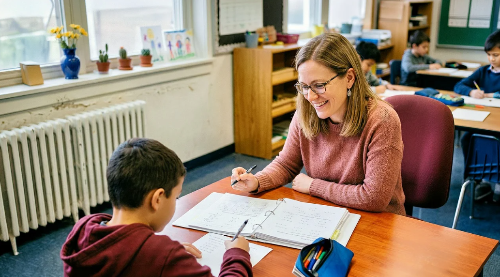
학원 선택 기준 — 아이의 말을 그대로 믿으면 안 되는 이유
저희 아이가 초등학교 2학년이 되던 해 봄, 갑자기 피아노 학원에 보내 달라고 했습니다. 이유를 물어보니 제일 친한 친구가 다니기 시작했고, 그 친구가 들고 다니는 악보 가방이 예뻐 보였다는 거였습니다. 솔직히 이건 예상 밖이었습니다. 음악에 대한 열정이나 재능을 발견한 게 아니라, 가방 하나에 꽂힌 거였으니까요.
이 시기 아이들의 학원 선택 동기를 교육심리학에서는 '사회적 모방 동기'라고 부릅니다. 여기서 사회적 모방 동기란, 또래 집단의 행동을 따라 하고 싶어 하는 심리적 충동을 말합니다. 쉽게 말해 친구가 하니까 나도 하고 싶어지는 것인데, 이 나이대에는 이 충동이 진짜 흥미나 적성 탐색보다 훨씬 강하게 작동합니다. 출처: 한국교육개발원의 아동 사교육 참여 동기 연구에서도 초등 저학년의 경우 또래 영향이 부모 권유보다 학원 등록 결정에 더 큰 변수로 작용한다는 결과가 나온 바 있습니다.
제가 직접 써봤는데, "정말 배우고 싶니? 빠지지 않고 다닐 수 있겠니?"라고 몇 번이나 확인한 뒤에 등록했음에도 두 달이 채 안 돼 문제가 생겼습니다. 아이가 수업 있는 날마다 배가 아프다거나 피곤하다고 말하기 시작한 겁니다. 차분히 이야기를 나눠 보니 아이가 원했던 건 정해진 시간에 선생님 앞에서 반복 연습을 하는 것이 아니라, 친구와 함께 건반을 자유롭게 눌러 보는 체험 그 자체였습니다.
이것이 바로 '체험 욕구'와 '학습 의지'를 혼동했을 때 생기는 전형적인 패턴입니다. 체험 욕구란 한번 해보고 싶다는 단순한 호기심 수준의 욕구이고, 학습 의지는 일정한 시간과 장소에서 반복 훈련을 감수하겠다는 의지입니다. 이 둘은 완전히 다른 개념인데, 부모가 아이의 체험 욕구를 학습 의지로 오해하면서 등록 → 갈등 → 중단의 사이클이 반복됩니다.
그래서 제 경험상 이건 좀 다릅니다. 정식 등록 전에 체험 수업을 먼저 신청하는 것이 훨씬 현명합니다. 요즘은 대부분의 문화센터나 학원에서 일일 체험, 방학 특강 같은 단기 프로그램을 운영하고 있습니다. 아이가 수업 방식과 분위기를 직접 경험한 뒤 "계속 다니고 싶다"는 말을 했을 때 등록해도 절대 늦지 않습니다.
- 아이가 학원을 원하는 진짜 이유를 구체적으로 물어본다 (친구 때문인지, 도구나 의상이 멋있어 보이는 건지)
- 정식 등록 전 체험 수업·단기 프로그램을 먼저 활용한다
- 부모가 보내고 싶은 학원과 아이가 원하는 학원을 분리해서 판단한다
- 동시에 허용할 활동은 최대 2개로 제한해 선택의 무게감을 느끼게 한다
그만두기와 휴식권 — 무조건 참게 하는 것도, 바로 끊어주는 것도 정답이 아닙니다
아이가 학원을 그만두겠다고 했을 때 부모는 대개 두 가지 반응 중 하나를 선택합니다. 바로 끊어주거나, 끝까지 다니게 하거나. 그런데 제 경험상 이건 좀 다릅니다. 어느 쪽도 그 자체로 옳은 방법이 아니었습니다.
저는 피아노 학원 사건 이후 한 가지 규칙을 만들었습니다. 현재 등록된 달까지는 마무리하되, 그만둔 뒤 두 달 동안은 새로운 학원에 등록하지 않는다는 규칙이었습니다. 이 두 달 동안 아이는 미술, 수영, 발레를 차례로 말했습니다. 하지만 시간이 지나자 대부분의 관심은 자연스럽게 사라졌고, 두 달이 지나도 계속 이야기한 것은 수영 하나뿐이었습니다. 이후 체험 수업을 먼저 신청했고, 수영은 이전보다 훨씬 오래 즐겁게 다녔습니다.
이 방식은 아동 발달 연구에서 말하는 '자기결정이론(Self-Determination Theory)'과 연결됩니다. 자기결정이론이란 사람이 외부 강압이 아닌 내면의 동기로 선택했을 때 지속성이 높아진다는 이론입니다. 출처: 한국연구재단의 아동 동기 관련 연구에서도 자율성이 보장된 학습 환경에서 아이의 지속적 참여율이 유의미하게 높아진다는 결과가 보고된 바 있습니다.
한편 학원을 그만두고 싶다는 이유가 단순 권태가 아닌 경우도 있습니다. 수업 수준이 아이와 맞지 않을 때, 특히 선행 학습 속도가 지나치게 빠르거나 과제 양이 과도할 때 아이는 극심한 학습 번아웃(burn-out) 상태에 빠질 수 있습니다. 학습 번아웃이란 지속적인 학업 스트레스로 인해 의욕과 집중력이 완전히 고갈된 상태를 말합니다. 이럴 때는 의지 부족을 탓하기 전에 담당 교사와 직접 상담해 반 조정이나 과제 감량 같은 현실적인 해결책을 먼저 찾아야 합니다.
휴식권 얘기도 빼놓을 수 없습니다. 아이도 어른과 마찬가지로 지치는 날이 있습니다. 저는 한 달에 한 번, 하루 전날 미리 말하면 학원을 쉴 수 있는 규칙을 만들었습니다. 그랬더니 신기하게도 "학원 가기 싫다"는 말 자체가 줄었습니다. 쉴 수 있다는 걸 알면 억지로 버텨야 한다는 긴장감이 낮아지기 때문인 것 같습니다. 이 휴식권은 충동적으로 그만두고 싶다는 말과 진짜 지쳐서 쉬고 싶다는 말을 구분하는 데도 유용했습니다.
자주 묻는 질문
Q. 초등 저학년 아이가 갑자기 학원 보내 달라고 하면 바로 등록해줘야 하나요?
A. 바로 등록하기보다 체험 수업이나 단기 프로그램을 먼저 활용하는 것이 현명합니다. 이 시기 아이들의 학원 선택 동기는 또래 모방이나 도구·의상에 대한 단순 호기심인 경우가 많습니다. 한 달짜리 체험 이후에도 계속 관심을 보인다면 그때 정식 등록을 고려해도 늦지 않습니다.
Q. 아이가 학원 그만두겠다고 할 때 바로 끊어주면 나쁜 습관이 생기나요?
A. 바로 끊어주는 것보다 '냉각 기간 규칙'을 적용하는 것이 효과적입니다. 현재 등록 기간은 마무리하되, 그만둔 뒤 두 달 동안은 새 학원을 시작하지 못하게 하면 충동적인 선택이 자연스럽게 줄어듭니다. 예체능처럼 아이가 스스로 원해서 시작한 활동은 억지로 계속 다니게 할 때 해당 분야 자체를 싫어하게 되는 부작용이 더 클 수 있습니다.
Q. 수학 같은 학습 학원도 아이가 싫다고 하면 그냥 끊어줘야 하나요?
A. 학습 학원은 예체능 학원과 다르게 접근해야 합니다. 먼저 아이가 싫어하는 이유가 단순 권태인지, 수업 수준 불일치인지를 확인해야 합니다. 선행 학습 속도가 지나치게 빠르거나 과제 양이 많다면 담당 교사와 직접 상담해 반을 조정하거나 숙제 양을 줄이는 방법을 먼저 시도해 보는 것이 좋습니다.
Q. 학원 휴식권이란 뭔가요? 실제로 효과가 있나요?
A. 학원 휴식권이란 한 달에 한 번, 하루 전날 미리 말하는 조건으로 학원을 쉴 수 있게 허용하는 규칙입니다. 제가 직접 써봤는데, 이 규칙을 도입한 뒤로 "학원 가기 싫다"는 말 자체가 줄었습니다. 아이가 쉬는 날을 스스로 계획하면서 자기조절 능력과 책임감도 함께 길러지는 효과가 있었습니다.
결론
사교육의 목표는 많은 학원을 오래 다니게 하는 것이 아닙니다. 아이가 자신의 관심과 한계를 알아가면서 배움에 대한 긍정적인 태도를 갖도록 돕는 데 있습니다. 그 과정에서 학원을 그만두는 일이 생기더라도, 그것을 실패로 규정하기보다 아이가 자신을 이해하는 과정으로 받아들이면 부모도 아이도 훨씬 가볍게 나아갈 수 있습니다.
다음에 아이가 "학원 보내 달라"고 하면, 등록하기 전에 체험 수업 하나를 먼저 신청해 보십시오. 그리고 동시에 허용할 활동의 수와 그만둔 뒤 냉각 기간 규칙을 미리 정해두십시오. 이 두 가지만 지켜도 학원을 둘러싼 갈등이 눈에 띄게 줄어들 것이라고, 제 경험에서는 확실히 그랬습니다.
How to Choose the Right After-School Activity for Your Child
When a younger elementary school child repeatedly asks to join an after-school program, parents may waste both money and energy if they do not first understand the real reason behind the request.
From my own experience, a child’s statement—“I want to learn this”—often means something much narrower than parents assume. Realizing that only after paying for lessons can be surprisingly frustrating.
Key point: A child may want to try an activity without being ready to commit to regular lessons. Curiosity and long-term commitment are not the same thing.
Why You Should Not Take Your Child’s Request at Face Value
In the spring of my child’s second-grade year, she suddenly asked if she could start taking piano lessons.
When I asked why, she explained that her best friend had recently started piano lessons and that the music bag her friend carried looked pretty.
Honestly, that was not the answer I had expected.
She had not discovered a deep passion for music or shown a special musical talent. She had simply become interested in the bag.
At this age, children are often strongly influenced by their peers. This is sometimes described as peer imitation or peer influence. Simply put, children may want to try something because their friends are doing it.
Among younger elementary school children, peer influence can be stronger than genuine interest or a thoughtful desire to develop a skill.
Before enrolling my child, I asked several times:
“Do you really want to learn piano?”
“Will you attend your lessons regularly?”
Even after she confidently said yes, problems began in less than two months.
On lesson days, she started saying that her stomach hurt or that she felt tired. At first, I assumed she was simply making excuses because the initial excitement had worn off.
However, after sitting down and talking calmly, I realized that she had never wanted structured lessons at a fixed time. She had not expected to practice the same pieces repeatedly or perform in front of a teacher.
What she had really wanted was the experience of sitting next to her friend and freely pressing the piano keys.
Curiosity Is Different From Long-Term Commitment
This experience helped me understand the difference between simple curiosity and long-term commitment.
Simple curiosity means that a child wants to try something new. Long-term commitment means that the child is willing to attend regularly, follow instructions, practice repeatedly, and continue even after the novelty fades.
These are completely different things.
When parents mistake curiosity for commitment, the same pattern can repeat:
Enrollment → frustration → conflict → quitting
The problem is not that the child has lied. Younger children often do not yet understand what regular lessons involve. They may imagine the enjoyable parts while overlooking practice, homework, waiting, repetition, and correction.
Based on my experience, starting with a trial lesson is much wiser than enrolling immediately.
Many community centers, music schools, sports centers, and after-school programs offer introductory classes, one-day trials, or short vacation courses. A child can experience the teacher, classroom atmosphere, and lesson structure before making a longer commitment.
It is never too late to register after your child has tried the activity and still says, “I want to continue.”
Questions to Ask Before Enrolling
- Why does your child want to try this activity?
- Is the interest related to a friend, uniform, instrument, or piece of equipment?
- Does your child understand that regular practice may be required?
- Is a trial lesson or short-term program available?
- Is this an activity your child wants, or one that you want for your child?
It can also help to limit children to no more than two extracurricular activities at the same time. Having a clear limit encourages them to think more carefully about their choices.
Summary: When a younger child says, “I want to take lessons,” the request may reflect curiosity or peer influence rather than genuine commitment. Begin with a trial class to determine whether the interest continues after the first excitement fades.
Should You Let Your Child Quit an After-School Program?
When children say they want to quit an extracurricular activity, parents often choose one of two responses.
They either cancel the lessons immediately or force the child to continue until the end.
From my experience, neither response is automatically correct.
After the piano lesson experience, we came up with a family rule. My child had to finish the month that had already been paid for. After quitting, however, she could not begin a new extracurricular activity for two months.
During that waiting period, she mentioned art, swimming, and ballet one after another.
As time passed, most of those interests naturally disappeared. The only activity she continued talking about after two months was swimming.
We started with a trial swimming class. She enjoyed it and continued for much longer than she had continued piano lessons.
The waiting period did not punish her for quitting. Instead, it gave her enough time to distinguish a temporary impulse from a lasting interest.
Why Giving Children Some Choice Can Improve Commitment
This approach is closely related to Self-Determination Theory. This theory suggests that people are more likely to remain motivated when they feel that their choices are based on internal interest rather than external pressure.
Children are also more likely to participate consistently when they have an appropriate level of autonomy.
This does not mean allowing children to make every decision without limits. Parents still need to set boundaries, consider the family budget, and evaluate whether an activity is suitable.
However, children should have the opportunity to express what they enjoy, what feels difficult, and why they want to stop.
A balanced approach allows parents to provide structure while giving children enough freedom to develop responsibility for their own choices.
A practical family rule: A child may quit after finishing the current paid period, but must wait two or three months before beginning another activity.
When Quitting Is About More Than Boredom
Not every child who wants to quit is simply bored or irresponsible.
Sometimes the lesson level does not match the child’s ability. This is especially common in academic programs where advanced material is introduced too quickly or the amount of homework becomes excessive.
In these situations, children may experience academic burnout.
Academic burnout is a state of emotional, mental, and physical exhaustion caused by ongoing academic stress. A child experiencing burnout may lose motivation, struggle to concentrate, complain of physical discomfort, or become unusually irritable before class.
Before blaming the child for lacking discipline, parents should try to identify the actual cause.
Possible Reasons a Child Wants to Quit
- The class level is too difficult or too easy.
- The pace of instruction is too fast.
- The homework load is excessive.
- The child feels uncomfortable with the teacher.
- There is conflict with another student.
- The schedule does not allow enough rest.
- The child is no longer interested in the activity.
For academic programs such as mathematics or language lessons, it may be helpful to speak directly with the teacher before canceling.
Moving the child to another level, reducing the amount of homework, changing the lesson schedule, or trying a different teaching method may solve the problem.
Academic lessons should therefore be approached somewhat differently from activities that a child chose mainly out of curiosity.
Why a Planned Day Off Can Be Helpful
Children become tired just like adults do.
Sometimes a child does not truly want to quit. They may simply need one day to rest after a school test, a busy week, or a stressful event.
In our family, we created a rule that allowed one planned day off per month. My child could skip one lesson as long as she told me at least one day in advance.
After introducing this rule, she stopped saying, “I don’t want to go,” nearly as often.
Knowing that a break was available reduced the pressure of feeling that she had to continue no matter how tired she was.
The planned day off also helped us distinguish between temporary exhaustion and a genuine desire to stop the activity completely.
Because she had to choose when to use her day off, she gradually learned to plan ahead and take responsibility for her decision.
Summary: A waiting period after quitting can reduce impulsive switching between activities. A planned monthly day off can also give children healthy rest while supporting responsibility and self-regulation.
Frequently Asked Questions
Should I enroll my child immediately when they ask to start an after-school activity?
It is usually better to begin with a trial lesson or short-term program. Younger children may be motivated by friends, uniforms, instruments, or the classroom environment rather than the activity itself. If the child remains interested after experiencing the actual lesson structure, you can then consider regular enrollment.
Will my child develop a habit of quitting if I let them stop lessons?
Not necessarily. Instead of allowing an immediate switch to another activity, introduce a waiting period. Ask your child to finish the current paid period and then wait two or three months before starting something new. This reduces impulsive decisions without forcing the child to continue indefinitely.
Should I let my child quit math or language lessons simply because they dislike them?
Academic programs may require a different approach. First, identify whether the problem is boredom, an inappropriate class level, excessive homework, or difficulty with the teacher. Speak with the instructor and consider changing the class level or workload before making a final decision.
What is a planned day off?
A planned day off is a family rule that allows a child to miss one lesson per month with advance notice. It gives the child a healthy way to rest without immediately talking about quitting. It may also help children develop planning skills, responsibility, and self-regulation.
How many extracurricular activities should a younger child attend?
There is no single number that works for every family. However, limiting activities to one or two at a time can prevent exhaustion and help children appreciate the importance of their choices. The child’s school schedule, personality, energy level, and need for unstructured play should also be considered.
Conclusion
The real purpose of private education and extracurricular activities is not to make children attend as many programs as possible for as long as possible.
The goal is to help children discover what truly interests them, understand their limits, and develop a positive attitude toward learning.
Even when a child eventually quits an activity, parents do not need to define the experience as failure. It may simply be part of the child’s process of learning what suits them and what does not.
The next time your child asks to join a new after-school activity, try one trial class before making a long-term commitment.
At the same time, decide in advance how many activities your child may attend, how quitting will be handled, and how long the waiting period will be before starting something new.
From my experience, these simple family rules can significantly reduce conflict while helping children develop autonomy, patience, and responsibility.
This article is based on personal parenting experience and is intended for general informational purposes. Each child has different developmental, emotional, and educational needs, so parents should adapt these suggestions to their own family circumstances.
Reference: YouTube parenting discussion